Nearby attractions · Vientiane, Laos
Wat Sisaket Temple, Vientiane
Historic cloisters and thousands of Buddha images
Wat Sisaket is one of Vientiane’s most important surviving historic temples, close to Hor Phra Keo in the old city.
Open this attraction in Google Maps ↗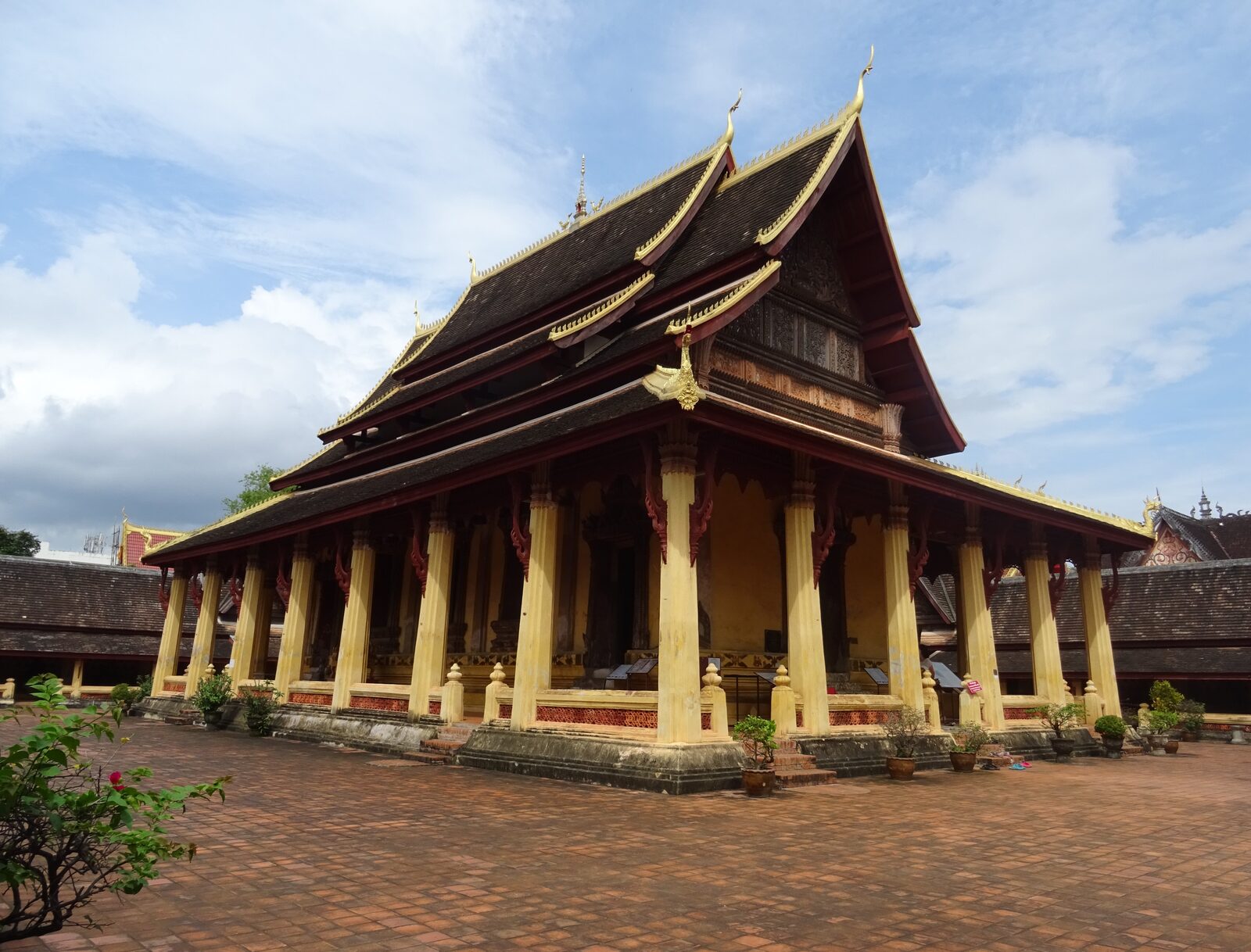
Visit planning
- Allow 45–75 minutes for the courtyard, cloisters and historical details.
- Visit in the morning for a quieter walk and keep clear of protected displays.
What to notice
- Observe the cloister niches and different Buddha figures without touching them.
- Compare the sim with surrounding colonnades and roof details.
- Study the quiet courtyard before continuing across to Hor Phra Keo.
About this place and its management
Built under King Anouvong in 1818, Wat Sisaket preserves an early nineteenth-century temple complex and serves as a key historical attraction in the capital.
Wat Sisaket is a protected historic temple in Vientiane. Cultural-heritage oversight is associated with Lao public authorities, while current visitor access is governed by the site’s posted rules. The complex is preserved for religious and historical understanding.
Essential information
- Location
- Lane Xang / Setthathirath Road, central Vientiane, Laos
- Visiting hours
- 08:00–12:00, 13:00–17:00 · daily · Verify posted times on arrival
- Admission
- LAK 30,000 per person (tourism listing) · Check current admission at the entrance
- Google Maps
- Open this attraction in Google Maps
Visiting hours
08:00–12:00, 13:00–17:00 · daily
Verify posted times on arrival
Admission
LAK 30,000 per person (tourism listing)
Check current admission at the entrance
History and significance
Tourism Laos identifies the temple as a rare surviving monument from before the destruction of Vientiane in 1828. Its preservation makes it a valuable counterpoint to reconstructed sites.
Getting here
- From Pha That Luang, take local transport toward the old city and Wat Sisaket.
- Hor Phra Keo is immediately nearby; walk between the two using designated crossings.
Architecture and details
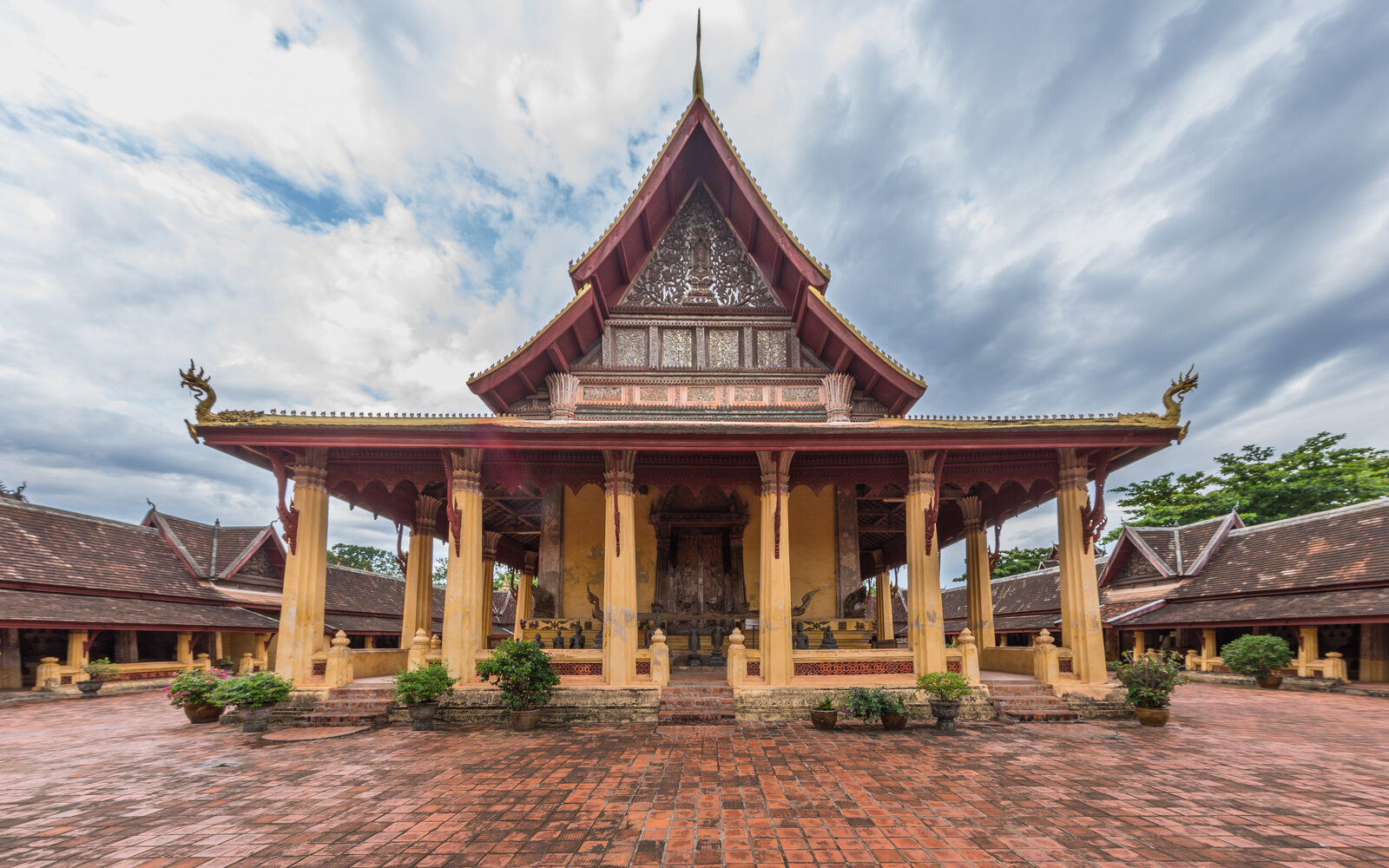
The cloister walls contain numerous niches and shelves with Buddha images. Notice how repeated figures, column rhythms and a central sim create a contemplative courtyard.
What to notice
- Observe the cloister niches and different Buddha figures without touching them.
- Compare the sim with surrounding colonnades and roof details.
- Study the quiet courtyard before continuing across to Hor Phra Keo.
Suggested route
- Start with the outer approach to the temple.
- Walk the permitted cloister areas slowly, respecting display barriers.
- View the main sim and pair the stop with Hor Phra Keo across the road.
Visitor advice
Dress modestly, remove footwear when instructed, and follow any photography restrictions in interior or collection areas.
Photography viewpoints
- Frame the sim through the courtyard columns.
- Capture the geometry of the cloister from a permitted viewpoint.
- Observe any bans on photographing images or indoor spaces.
On-location photographs
Where to stay
Accommodation in the old city offers convenient access to this temple, Hor Phra Keo and the Mekong riverside.
Visitor reviews and ratings
Ratings and review counts change over time. No unverified score is shown here; open this attraction’s own Google Maps listing for current public reviews.
Google Maps ↗Frequently asked questions
Why is Wat Sisaket important?
Its surviving nineteenth-century temple and collection of Buddha images are important to Vientiane’s architectural history.
What is the ticket price?
Tourism Laos lists LAK 30,000 per person; check the current entrance notice.
What is nearby?
Hor Phra Keo is opposite the temple, making it an easy paired visit.
More places near Pha That Luang
Directions, address and map
Lane Xang / Setthathirath Road, central Vientiane, Laos
Open this attraction in Google Maps ↗Sources and last checked
Tourism Laos official visitor listing; checked 16 November 2026. Access, ticket prices and visitor facilities may change.
Tourism Laos — Vientiane Capital ↗Photo source — Wikimedia Commons